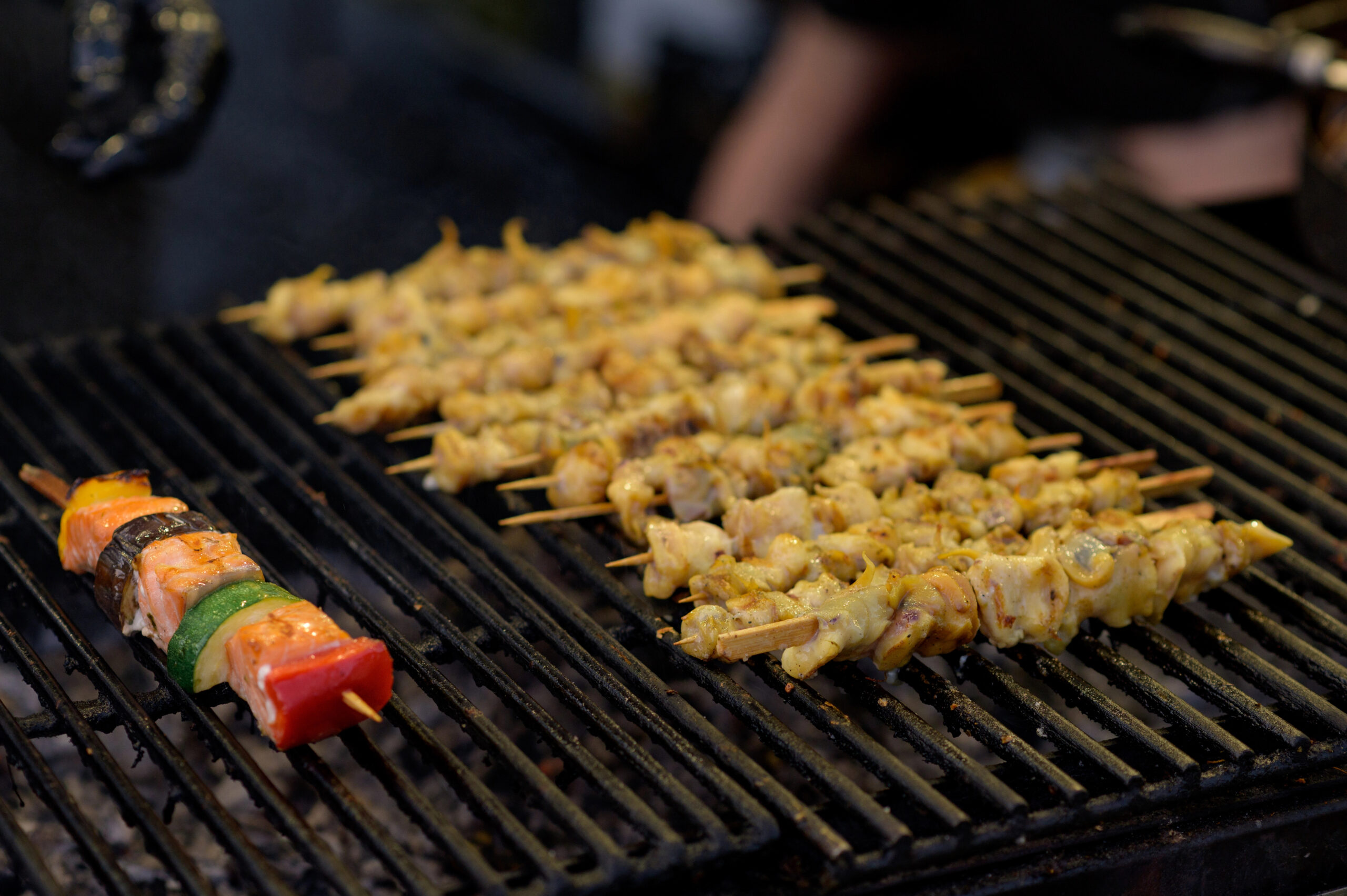
Food & Daily Life
Fondas: Panama’s Cheap Local Lunch — And Why We Haven’t Tried One Yet
Two people recommended them. They’re licensed, filling, and cost around $3–$6 a plate. The one catch for us: no air conditioning.
 Brian & Kent · GayExpatsPanama.com · April 2026 Research Trip
During our April 2026 trip, two people independently suggested we try a fonda — a small, typically family-run eatery serving traditional Panamanian home cooking at very low prices. We hadn’t heard the word before the trip. By the end of the week, we were curious enough to look into them properly.
We didn’t eat at one. The reason is simple: fondas are almost always open-air, and we haven’t adjusted to Panama’s heat yet. Sitting down to a bowl of hot sancocho with no A/C in 32°C (90°F) heat and matching humidity wasn’t something either of us was ready for in April. What we did notice, though, is that most customers at the fondas we passed weren’t eating on-site — they were picking up food to take back to an office, home, or anywhere cooler. That takeout model is probably how we’ll approach fondas when we go back.
What Is a Fonda?
A fonda is a small, often family-owned food stall or informal restaurant serving comida criolla — traditional Panamanian home cooking. They range from permanent neighborhood storefronts to semi-permanent open-air setups. The format is fast and practical: a short rotating menu, minimal seating if any, and prices aimed squarely at working people eating lunch on a budget.
Rice and beans anchor almost every plate — not as an afterthought, but as a deliberate, inexpensive way to make the meal filling. A small portion of meat or stewed protein goes further when it’s served over a base that actually satisfies.
What a Fonda Meal Costs
Fonda — Typical Meal Pricing
For comparison: our sit-down El Trapiche breakfast for two came to $14.88. Two fonda lunches would likely land in the $8–$10 range for both of us — noticeably cheaper, and a more authentic meal. The budget math starts to look interesting if you’re eating out regularly.
What They Serve
Fonda menus rotate based on what’s available and what was made that morning. These dishes appear consistently across most of them.
| Dish | What It Is | Notes |
|---|---|---|
| Sancocho | Thick chicken soup with yucca, corn, and culantro | Panama’s national dish — the one we most want to try |
| Arroz con Pollo | Rice cooked with chicken and vegetables | A reliable, filling standard |
| Ropa Vieja | Shredded beef stew, slow-cooked | Usually served over white rice |
| Patacones | Twice-fried green plantains, pressed flat | Served as a side or with toppings |
| Empanadas / Tamales | Fried dough or corn masa with filling | Good as a standalone snack |
| Chicha | Sweet fruit drink — maracuyá, tamarindo, others | Worth ordering over soda |
Sancocho is the dish we keep reading about — a broth made from chicken, yucca, corn, and culantro (a related but distinct herb from cilantro) that Panamanians describe as genuinely restorative. That’s the first order when we go back.
Are They Licensed? What About Food Safety?
This was a reasonable question as we walked past steam trays in open-air setups. We wanted to understand the actual regulatory picture before recommending fondas or dismissing them.
Licensing & Regulation
Fondas in Panama are required to be licensed by the Ministry of Health (MINSA). Food handlers must hold two certifications: a white card (confirming health status via medical exam, vaccinations, and lab tests) and a green card (confirming completion of food handler training). A municipal business license is also required to operate.
The regulatory structure is more formal than the casual appearance of many fondas suggests. Whether enforcement is perfectly consistent is a separate question — we can’t speak to that firsthand. What we found is that there is a real licensing framework in place, not just a suggestion.
Practical Tip
A busy fonda at noon is generally a better sign than a quiet one. High turnover means fresher food. Anything sitting in a steam tray for unclear lengths of time is worth skipping.
The Air Conditioning Problem — And the Workaround
Almost every fonda we saw was open-air or not air-conditioned. In April that means eating in genuine heat, and that’s the honest reason we haven’t tried one yet.
The practical workaround — which many customers were already using — is takeout. Order your plate, take it somewhere with A/C, eat it there. For newly arrived expats who haven’t adjusted to the climate yet, that’s probably the sensible approach. It doesn’t require tolerating the heat; it just requires a little planning.
Timing Matters
Lunch is peak fonda time — freshest food, widest selection. If eating on-site is too warm, takeout is a normal and accepted option. Early morning or later afternoon are cooler windows if you want to eat there.
Why Fondas Are Worth Factoring Into Your Budget
If you’re building an honest cost-of-living estimate for Panama — using real 2026 numbers, not five-year-old blog posts — fondas are worth including. A $4–$5 fonda lunch versus a $10–$12 sit-down lunch, a few times a week, is a real difference over a month. It’s not a dramatic sacrifice; it’s just one option for eating well without spending much.
We’re not in a position to give a verdict yet. That comes after we’ve actually eaten at one. But based on the research, the food safety structure is more solid than a first glance suggests, and the prices are genuinely what they’re described to be.
Our Plan
When we return, trying a fonda is on the list. Sancocho to start. Almost certainly takeout until we’ve fully adjusted to the heat. We’ll report back with actual prices, actual observations, and an honest take on whether the chicha lived up to the recommendation.
If you’ve been in Panama long enough to have a fonda worth pointing us toward, we’d like to hear about it in the comments.
Sources & Verification
- Official: Fonda licensing requirements — Ministry of Health (MINSA) food handler certification (white card, green card) and municipal business licensing.
- Firsthand: Brian and Kent’s April 2026 observations of fonda takeout patterns, pricing, and the El Trapiche breakfast cost comparison.
- Not yet verified: Whether MINSA licensing requirements are consistently enforced in practice across individual fondas — we could confirm the regulatory framework exists but not firsthand enforcement consistency.
Facts and prices in this article last verified: April 2026.
More From Our April 2026 Research Trip
Brian & Kent
We’re a gay couple based in St. Petersburg, Florida, researching and relocating to Panama in real time. Brian is applying for the Pensionado visa. Kent does the research. Everything on this site is from our own experience — the prices, the mistakes, and the occasional limonada we should not have ordered.