Our Story & April 2026 Trip – Part 12 of 16
Day Nine — Hato Pintado on Foot, Appliance Prices at Cochez, and Finding Our Bar
Kent walks another target neighborhood and finds the sweet spot between hills and houses. We price out refrigerators and washing machines for a hypothetical Panama kitchen. And a recommendation from a Scruff chat leads us to the bar we’d been looking for all trip.
 Brian & Kent · GayExpatsPanama.com · April 2026 Research Trip
Day nine began the way most of our days now begin: McDonald’s, then Tim Hortons, then a planning session over iced French Vanilla coffees. The staff no longer ask what we want. They see us come through the door and start making it. There is something quietly wonderful about becoming a regular somewhere in nine days flat.
The agenda: Kent wanted to walk Hato Pintado — one of the neighborhoods on our shortlist after his San Francisco and Bethania expeditions. Then appliances. Then, on a recommendation we’d received from a local we’d been chatting with on Scruff, a bar called Mangle for happy hour.
Kent walks Hato Pintado — the Goldilocks neighborhood
Kent’s dispatch — Hato Pintado
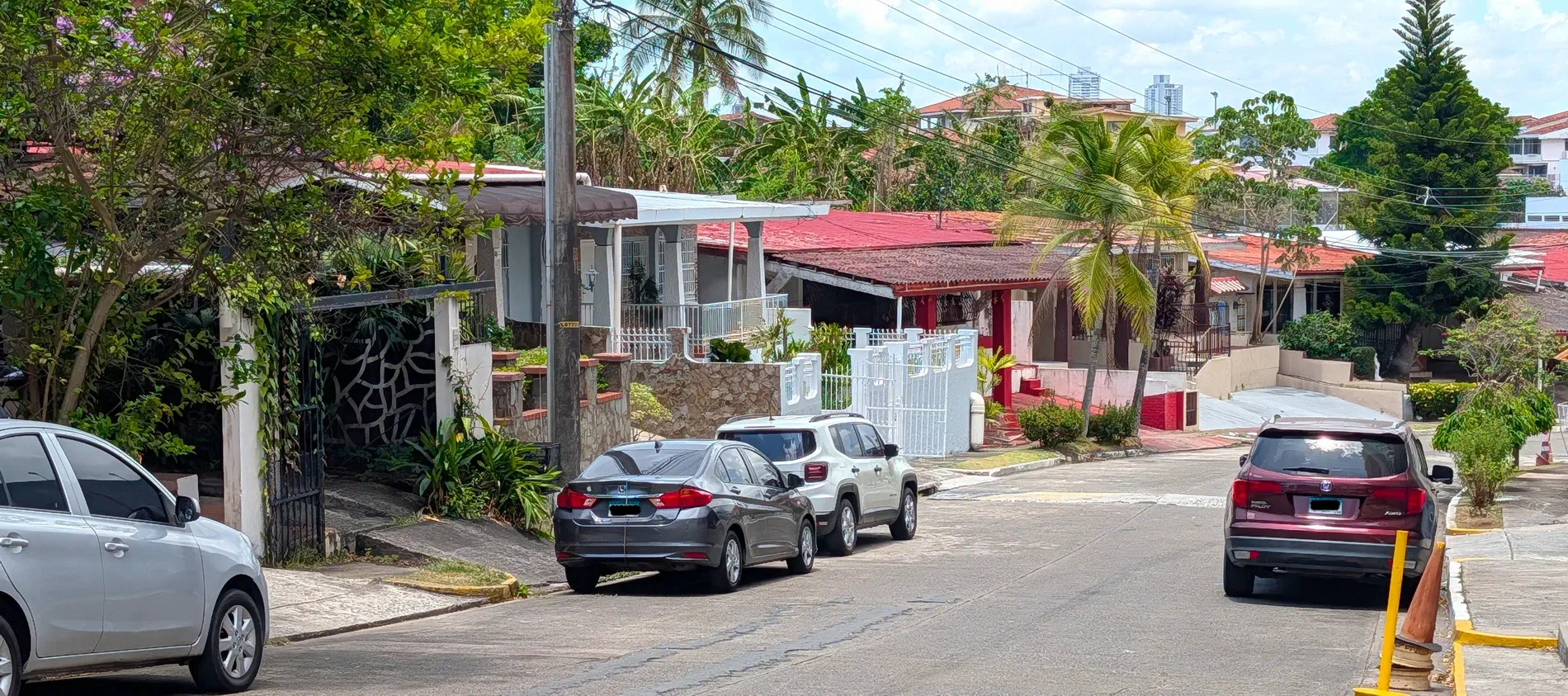
After the La Cresta stairs and the Bethania hills, I approached Hato Pintado with one primary question: what is the terrain actually like? The answer turned out to be the best of the trip so far — gentle. Rolling enough to be interesting, flat enough that carrying groceries home is a realistic daily activity rather than a training exercise.
Hato Pintado sits north of San Francisco and east of Bethania, and it has the thing we’ve been hunting all trip: actual single-family houses, in quantity, in a neighborhood that still functions as a neighborhood. The homes are mostly one-story, mid-century era, on real lots with real yards. Mature trees line a good number of the streets — genuine shade, which after nine days here I have come to regard as municipal infrastructure as essential as water lines.

Hato Pintado — one-story homes, real yards, mature shade trees, and terrain that doesn’t require a fitness plan. This is the closest match yet to what we’re looking for.
Unlike La Cresta, Hato Pintado has services. I passed small grocers, a pharmacy, a bakery with a line out the door at 9am — always the best sign — and several fondas doing steady breakfast business. You could live here without a car for most daily needs, which is one of our core criteria. The Metro isn’t at the doorstep, but the Fernández de Córdoba station is walkable from the eastern edge of the neighborhood — the same station near the Do-It Center and Hopsa from day six’s hardware expedition, which means my two favorite stores in Panama City are effectively in the neighborhood. I am not saying this influenced my assessment. I am saying it did not hurt.
Several homes had se vende signs. A couple were in the exact condition that interests us — structurally sound, cosmetically dated, priced (based on the listings I could find later) meaningfully below San Francisco equivalents. The neighborhood doesn’t have San Francisco’s polish or proximity to the waterfront, and it won’t appear on any expat top-ten list. That may be exactly the point.
Verdict: Hato Pintado goes to the top of the list for the next trip. Gentle terrain, real houses, daily services on foot, hardware stores in range, and prices that leave renovation budget on the table. The Goldilocks neighborhood — so far.
Cochez — pricing out a hypothetical kitchen
In the afternoon we went to Cochez, one of Panama’s major home improvement and appliance retailers, to answer a question that matters for anyone furnishing a home here: what do appliances actually cost? Whether we buy a house that needs a full kitchen or rent a place that needs a washing machine, these numbers shape the budget.
The showroom floor had all the brands you’d recognize — Whirlpool, LG, Samsung, Mabe (the Latin American workhorse brand that’s less familiar to Americans but everywhere down here), and Frigidaire. We walked the floor and noted shelf prices.
Cochez — appliance shelf prices, April 2026
The overall read: comparable to U.S. pricing on the international brands, cheaper on Mabe, and — importantly — everything is available locally with delivery. The idea that you need to ship appliances to Panama is outdated. Between Cochez, the electronics floors at Albrook, and PriceSmart, you can outfit a kitchen entirely from local stock, usually with a warranty that’s actually serviceable here, which imported U.S. appliances would not have.
Buy appliances locally — the warranty logic
Even where a U.S. price beats the Panama shelf price, local purchase wins once you factor shipping, import handling, and — most importantly — warranty service. A refrigerator bought at Cochez has local service coverage. A refrigerator shipped from Florida has a warranty that ends at the U.S. border. For anything with a compressor or motor, buy it here.
Mangle — the bar we’d been looking for
Here’s how we found Mangle: not from a guide, not from a top-ten list, but from a local we’d been chatting with on Scruff — one of several friendly conversations we’d had with Panama City locals over the course of the trip. When we mentioned we’d found the bar scene hit-or-miss so far, the recommendation came back immediately: go to Mangle for happy hour.
Mangle
Bar · Gay-friendly · Happy hour recommended
Mangle is the bar we’d been trying to find all trip. A good crowd by 6pm without being packed. Music at exactly the right volume — present, current, but low enough that you can hold a conversation without leaning in, which is a balance most bars never find. The staff are professional and attentive without hovering. The cocktails are properly made and the happy hour pricing is genuinely fair.
The crowd was mixed — local and expat, a range of ages, groups and couples — with a relaxed, unforced energy. Nobody was performing. People were just having a good evening. After the overpriced jigger theater at Alejandro’s and the heat-management challenges of the Biergarten, walking into a place that simply got everything right was almost disorienting.
We stayed for two rounds, watched the after-work crowd fill in, and agreed before the first drinks were finished that this was now our spot. Every trip needs a default bar. Nine days in, we’d found ours.
Mangle — what we paid
The best recommendations on this trip haven’t come from guides. They’ve come from actual conversations with actual locals. Mangle proved the pattern.
Evening — the shortlist takes shape
Walking back from Mangle, we talked through where nine days had landed us. The neighborhood picture has gone from abstract to specific: San Francisco north of Calle 50 for polish and proximity, Hato Pintado for houses, value, and livability, La Cresta admired and eliminated, El Cangrejo enjoyed nightly but ruled out for buying. The appliance and furniture questions are answered — buy local. The bar question is answered — Mangle.
Two days of the trip remain, and the biggest one is coming: Monday, Brian goes to Immigration.
Day ten coming up.
— Brian & Kent
Sources & Verification
- Firsthand: Day nine of our April 2026 trip — Kent’s walk through Hato Pintado, all appliance prices read from the Cochez showroom floor that day, and our first visit to Mangle ($26.00 for four happy hour cocktails).
- Community: The Mangle recommendation itself — from a Panama City local we’d been chatting with on Scruff. The visit and everything we say about the bar is firsthand; the tip that sent us there was his.
Facts and prices in this article last verified: July 2026.
Our Story & Panama Journey Series
- 01 Almost 40 Years, 12 Homes — and We’re Doing It Again
- 02 We Lost Everything in Spain. We’re Still Glad We Went.
- 03 Going to Panama — and You’re Coming With Us
- 04 Day One: Wheelchairs, Wind, and a Metro Lesson
- 05 Day Two: The Shorts Crisis and the World’s Biggest Mall
- 06 Day Three: Grocery Prices, Neighborhoods, and a $12 Drink
- 07 Day Four: The Attorney, the Doctor, and the Pensionado Visa
- 08 Day Five: The Fish Market, Multiplaza, and Maluka
- 09 Day Six: Neighborhoods, Hardware Stores, and a Fixer-Upper
- 10 Day Seven: Breakfast, Laundry, and Furniture Shopping
- 11 Day Eight: The Canal Museum, La Cresta, and Casco Viejo
- 12 Day Nine: Hato Pintado, Carrasquilla, and Hardware Stores
- 13 Day Ten: Miraflores Locks, the Ciclovía, and Hamman
- 14 Day Eleven: Getting the Pensionado Residency Card
- 15 Day Twelve: What Panama Actually Taught Us
- 16 Day Thirteen: Going Home — Is Panama Still the Answer?
Brian & Kent
We’re documenting the real process of researching and moving to Panama — costs, neighborhoods, the gay scene, and Brian’s Pensionado visa in real time. Questions? he***@*************ma.com